
WHAT IS PERSON-CENTERED ABA?
ABA Therapy Has Evolved. So Have We.
Applied Behavior Analysis has a long history — and a complicated reputation. Early versions of ABA were rigid, drill-based, and focused heavily on eliminating behaviors rather than building skills. That is not what Kind Nest Academy does.
Person-centered ABA starts with a simple premise: the child is a whole human being with a personality, preferences, a sense of humor, and a right to be respected. Every goal we set, every technique we use, and every session we design flows from that belief.
- What Makes Our ABA Different:
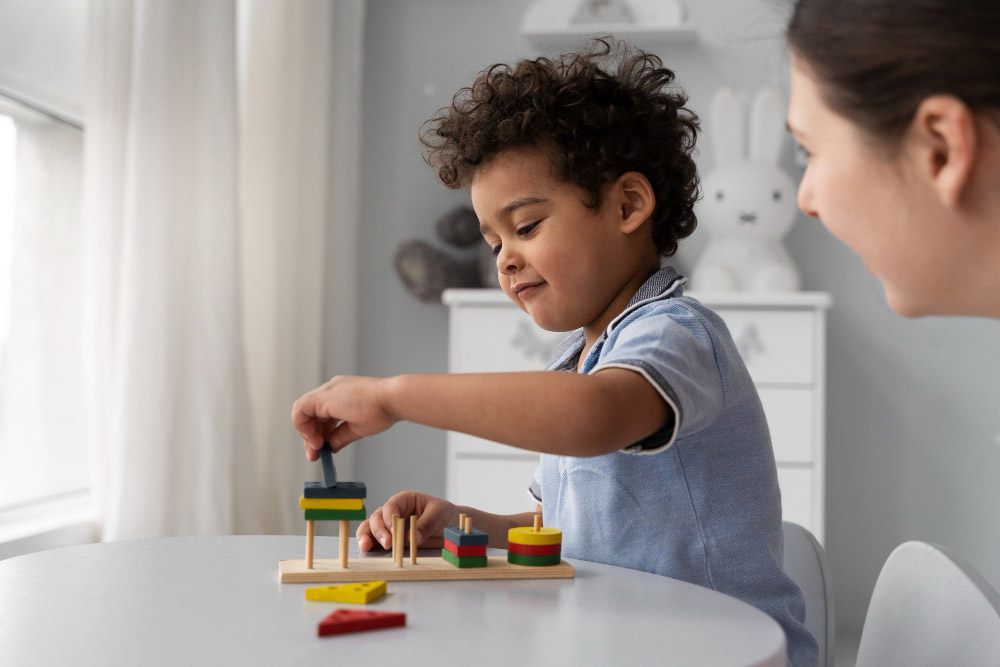

Child-Led Learning
We follow the child's interests and motivation. When a child is engaged and having fun, learning accelerates.
Naturalistic Teaching
Skills are practiced in real-life settings and routines — not just at a therapy table — so they stick and transfer to everyday life.
Strengths-Based Goals
We identify and build on what your child does well rather than focusing exclusively on deficits.
Positive Reinforcement
We never use punishment or aversive techniques. Growth happens through encouragement, connection, and meaningful reward.
Family as Co-Therapists
Parents and caregivers are trained in ABA strategies so they can support their child's progress all day, every day — not just during sessions.
Data-Driven Precision
Every session generates data. We analyze it continuously and adjust programs in real time rather than waiting for quarterly reviews.
ABA & NEURODIVERSITY
Celebrating Who Your Child Is. Not Changing Who They Are
At Kind Nest Academy, we are committed to neurodiversity-affirming care. Autism is not a disease to be cured. It is a different — and often remarkable — way of experiencing the world. Our goal is never to make your child appear neurotypical. Our goal is to give them the skills and confidence to navigate their world on their own terms, to communicate their needs, to build relationships that matter to them, and to live as fully and independently as they choose.
We actively involve autistic adults in shaping our clinical philosophy, welcome feedback from self-advocates, and continually ask ourselves: are we doing this for the child, or for the adults around them? That question guides every clinical decision we make.